A Fragile Ceasefire: Tensions and Uncertainties in the Middle East
The announcement of a conditional two-week ceasefire in the ongoing conflict involving Iran, the United States, and associated regional tensions has sparked cautious hope across the globe. Yet, beneath the surface lies a complex web of unresolved issues and entrenched narratives that threaten to undermine any potential for lasting peace.
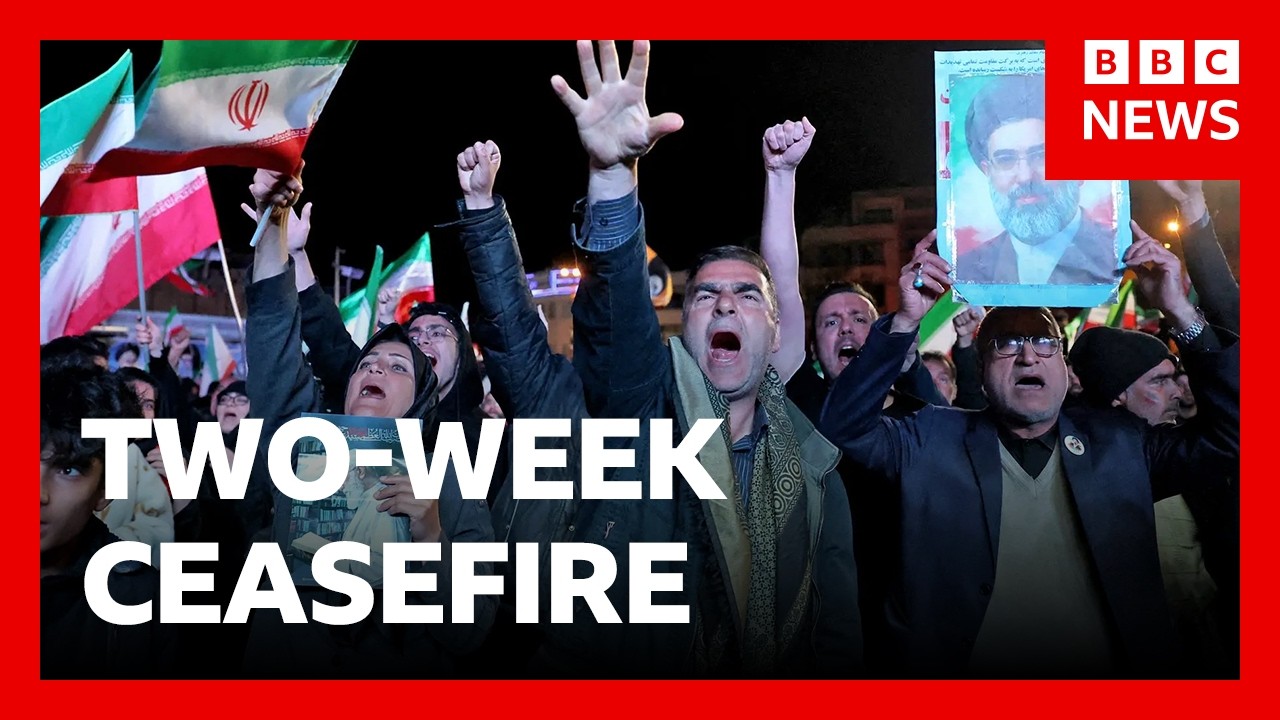
Sidon, Lebanon, reverberated with sirens early this morning, while Israel remained on high alert. This simultaneous sounding of alarms illustrates the precarious nature of the situation. News of a ceasefire arrived amid mounting anxiety as Donald Trump’s ultimatum approached. In Iran, citizens formed human chains at various critical points, expressing palpable concern over the prospect of an imminent attack. The stakes are extraordinarily high: the Strait of Hormuz, a vital maritime route, has been closed for over a month, cutting off about one-fifth of the world’s oil supplies.
Shortly before the deadline, Trump took to his Truth Social platform, announcing the ceasefire and heralding a significant moment in the pursuit of global peace. "Iran has had enough," he proclaimed. The unilateral nature of this declaration, however, is compounded by the ongoing war of words between the U.S. and Iran, each side positioning itself as the victor. The Iranian government responded with a ten-point plan, framing it as a significant retreat for the U.S. and a testament to their resilience.
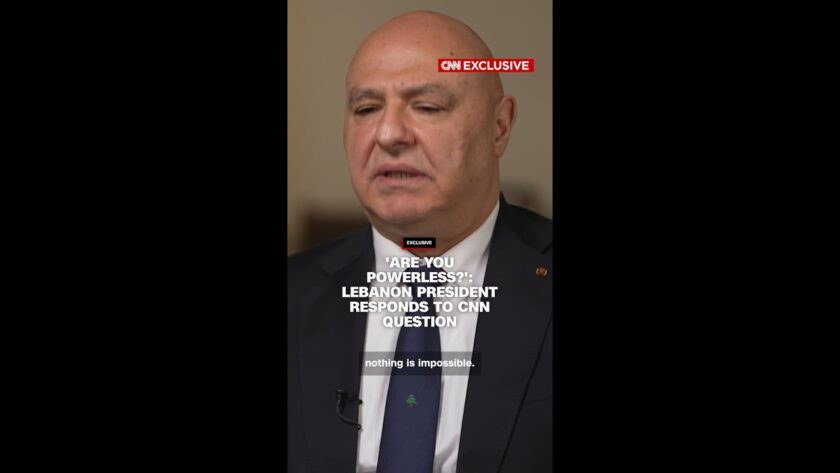
U.S. Vice President JD Vance recently stated that America had achieved its military objectives, suggesting a swift conclusion to the conflict. Yet, the intricate realities on the ground in Lebanon—where Israel maintains an active military presence against Iranian-backed Hezbollah—pose considerable challenges to this assertion.
Negotiations scheduled for Friday in Pakistan appear fraught with complications, made more difficult by disparate narratives surrounding the ceasefire. While the initial news has led to a temporary drop in oil prices, they remain elevated compared to pre-war levels, reflecting ongoing instability in the Gulf region.
Central to the Iranian stance is the ten-point plan made public through state media. Among its provisions are a demand for permanent cessation of hostilities, the reopening of the Strait of Hormuz, and reparations to Iran. Most critically, the plan emphasizes the country’s commitment to abstaining from the pursuit of nuclear weapons—a narrative that has been consistent in Iranian policy, dating back to earlier declarations of a fatwa against such pursuits.
The internal dynamics of Iran’s leadership raise further questions about the future. The Revolutionary Guard appears to hold considerable sway in policy decisions, and their narrative has positioned the regime as defiant against one of the world’s most powerful nations. Historically, Iran’s military posture has been less about outright victory and more focused on survival amidst external pressures.
Despite these developments, the Iranian populace remains deeply affected by the protracted conflict and the preceding crackdowns on domestic protests. Many had hoped for change following the death of the Ayatollah, but the continuation of the regime has left citizens in a state of ambivalence. The economy is teetering, strained by both war and prior sanctions. Restaurant owners report plummeting sales, and the specter of recession looms large.
The emotional landscape in Iran is conflicted. While some citizens may celebrate the ceasefire as a potential reprieve, others are acutely aware that the underlying issues of government repression and economic despair persist. The regime remains deeply concerned about internal dissent, evidenced by the recent executions of protesters who sought reform.
Looking ahead, the feasibility of a permanent ceasefire hinges on multiple factors, not least of which is the enduring issue of Iran’s nuclear ambitions. Negotiations that may be broached in two weeks could determine not just the trajectory of this conflict, but the stability of the Middle East as a whole.
Thus, as the world watches the latest developments unfold, one thing remains clear: the path to peace is fraught with obstacles. The recent ceasefire, while a step in the right direction, is merely a temporary respite in a prolonged struggle characterized by deep-seated historical grievances and conflicting national interests. The complexities of this situation demand careful navigation and a genuine commitment to dialogue—qualities that have been elusive in this enduring conflict.